For emergency cases :+044 24981089
Monday - Saturday : 9:30 am - 8:00 pm


Have you ever wondered where toothpaste and mouthwash came from? Or thought about what people used for oral hygiene before the invention of Colgate or Pepsodent? Below are some interesting facts and historical recipes that might satisfy or even pique your curiosity!

The activity of keeping the mouth clean dates all the way back to the religious figure Buddha. It has been recorded that he would use a "tooth stick" from the God Sakka as part of his personal hygiene regimen.

The first recorded instance of toothpaste dates back to 1780, when people cleaned their teeth using a formula made from burnt bread—an unusual ingredient compared to modern toothpaste, but a common component of North American breakfasts at the time.
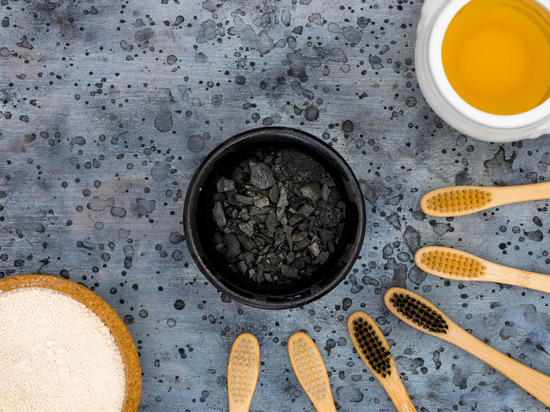
In the 19th century, charcoal became very popular for teeth cleaning purposes. Most toothpaste at this time were in the form of a powder. The purpose of the tooth powder was not only to clean the teeth, but to give fresh breath. The succulent strawberry (still available today) was considered to be a "natural" solution for preventing tartar and giving fresh breath. In 1855, the Farmer's Almanac included:

We have tooth paste addressing various oral problems... some claim to kill bacterias, some guarantee no cavity, few speak of fresh breath & others talk of stronger teeth.
Well, most of these toothpaste use the following items in different proportions:
Herbal toothpastes have gained popularity for people looking for a "natural" toothpaste or for those who don't want fluoride in their dental cleansers. Some herbal toothpastes contain:
